18. CODES Festival of Traditional and Avant-Garde Music
27–31 May 2026

LA TEMPÊTE: ORLANDO – A MELANCHOLIC PORTRAIT (FR) 2

27 May 2026 / Wednesday / 21:00

The Old Theatre in Lublin, 18 Jezuicka St.

POLISH PREMIERE

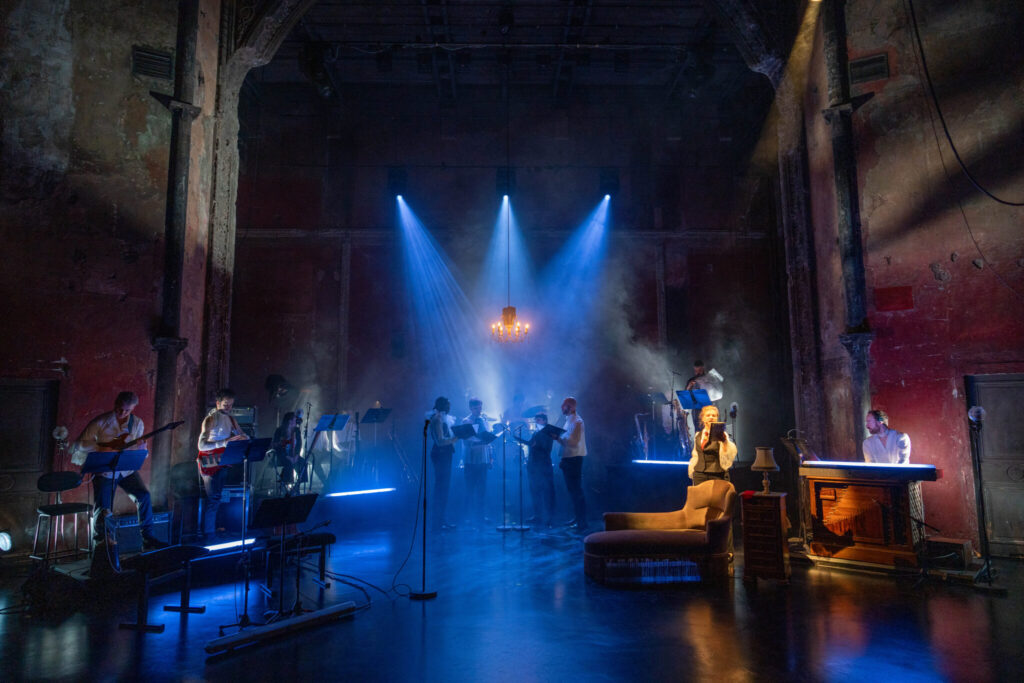
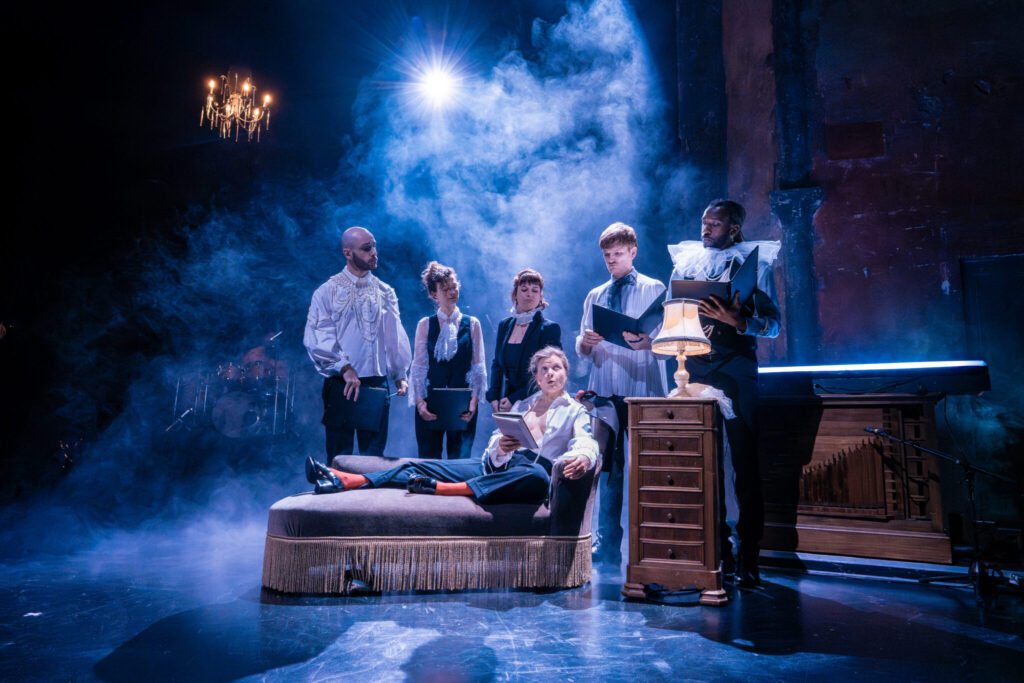
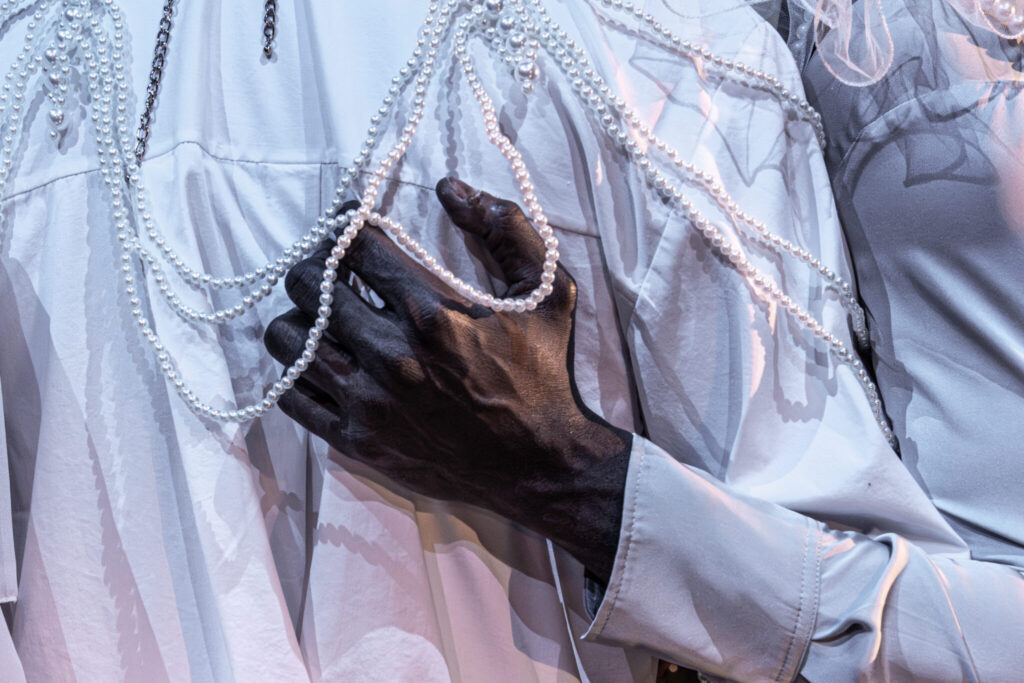
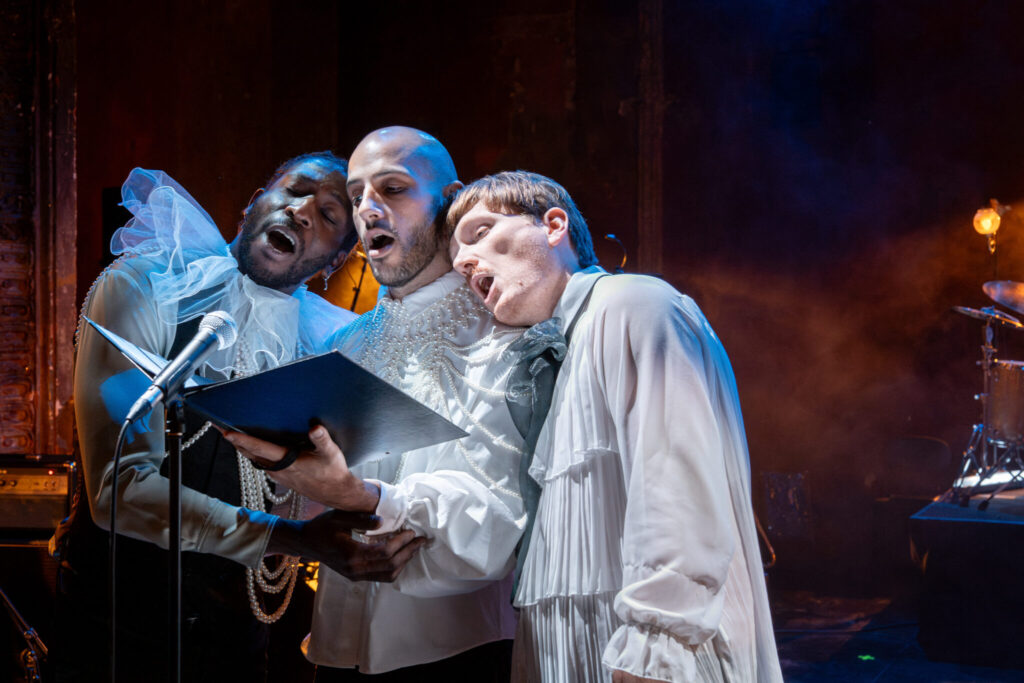
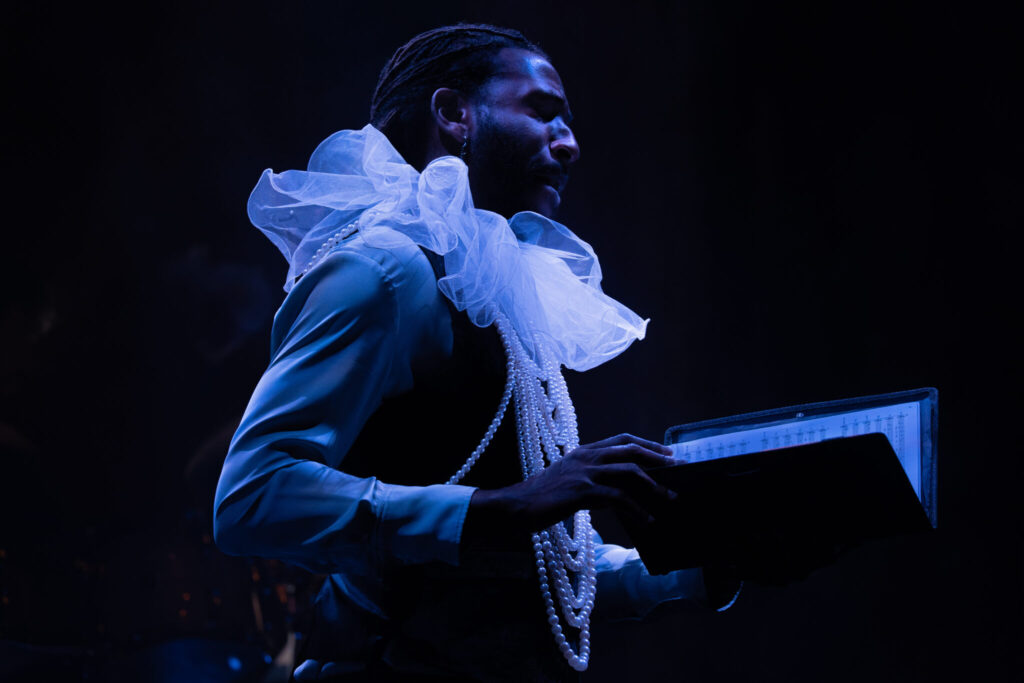
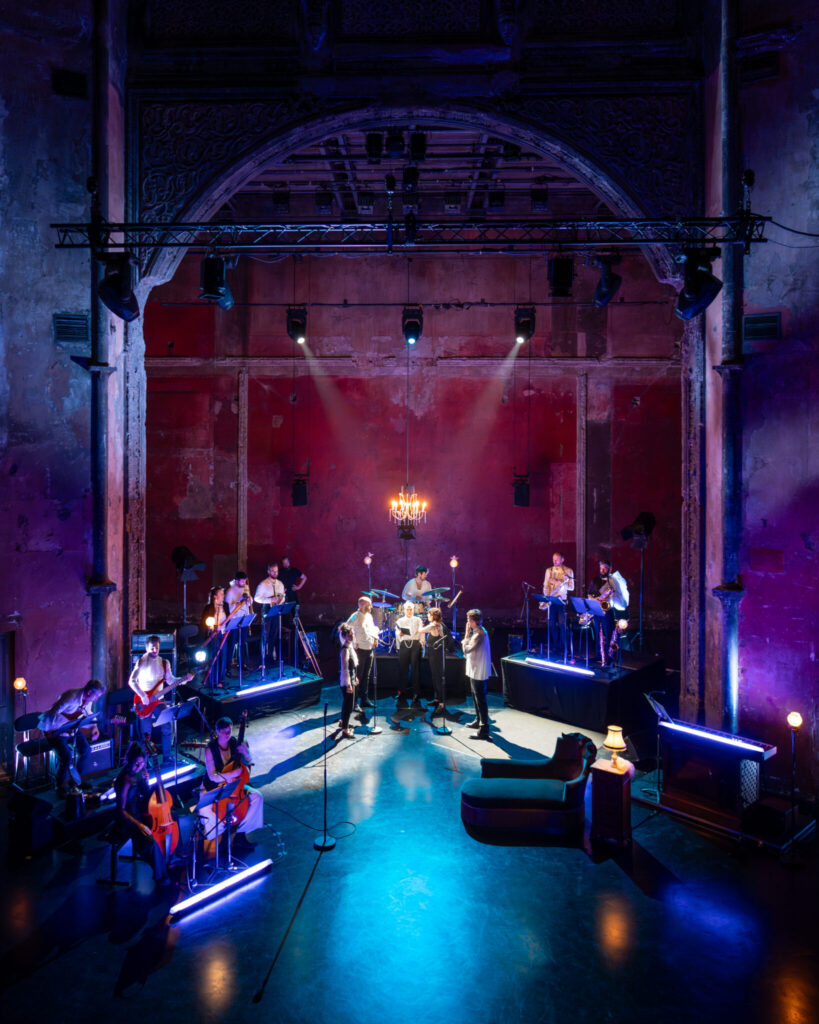
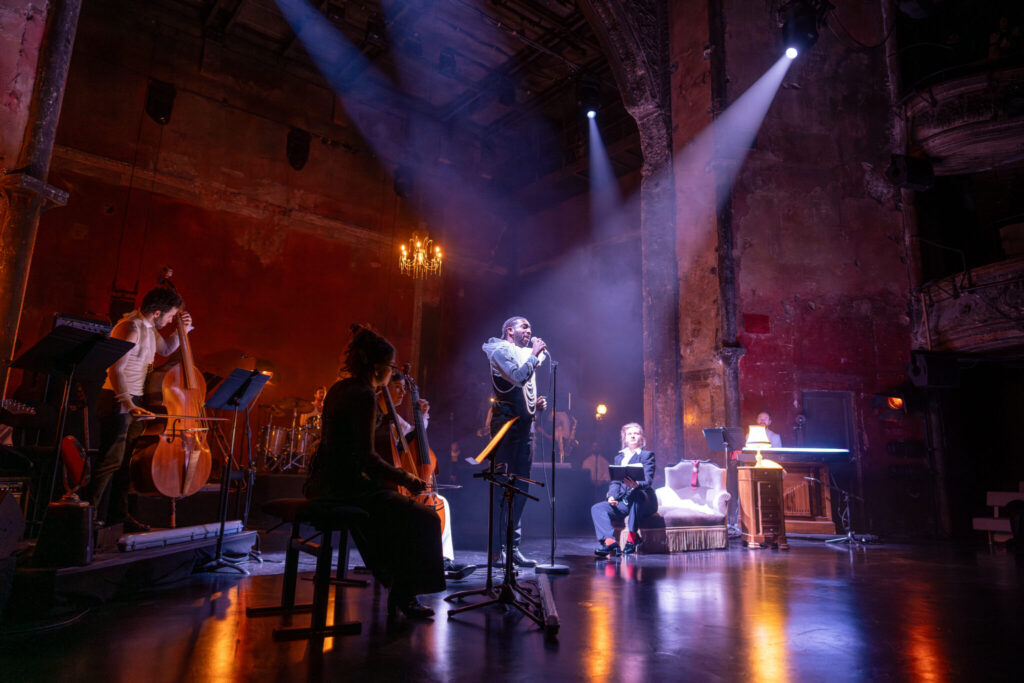
Through a refined staging that blurs the boundary between pop aesthetics and minimalism, and through a subversive mirroring of two sixteenth-century Orlandos — one real, the other fictional — Anne-Lise Heimburger and Simon-Pierre Bestion present a unique adaptation of Virginia Woolf’s biographical novel Orlando (1882–1941), widely regarded as one of the author’s masterpieces.

The music of Orlando di Lasso (1532–1594) accompanies and carries the fascinating story of a young aristocrat of the Elizabethan era — a poet, courtier, and lover of nature. Orlando moves through the centuries without ever dying, changes sex during the course of life, and continually follows personal desires and impulses.

The arrangements and orchestrations reveal the extraordinary personality and creative imagination of the Flemish master, rich in nuance and depth. This fruitful encounter between literature and music offers a new perspective on works that appear timeless, while also casting fresh light on a literary text whose themes remain strikingly relevant today.

Performance in French with surtitles.

Programme
(duration: 100 minutes)

Orlando di Lasso (1532–1594)
Luxuriosa res vinum
Dulces exuviae
Eripe me
Memento peccati tui
No giorno t’haggio
Susannen frumb
De profundis clamavi (beginning)
S, U, Su, P, E, R, Per
La cortesia
De profundis clamavi (continuation)
La nuict froide et sombre
Sine textu 7 (I)
Lectio prima: Parce mihi Domine
Peccantem me quotidie
Allala pia calia
Requiem à 5: Introït
Une puce j’ai dedans l’oreille
Prophetiae Sibyllarum: Carmina chromatico
Si du malheur

Texts
Adaptation of Orlando: A Biography by Virginia Woolf by Anne-Lise Heimburger and Simon-Pierre Bestion, based on Charles Mauron’s translation (Le Bruit du Temps, September 2020).

Cast
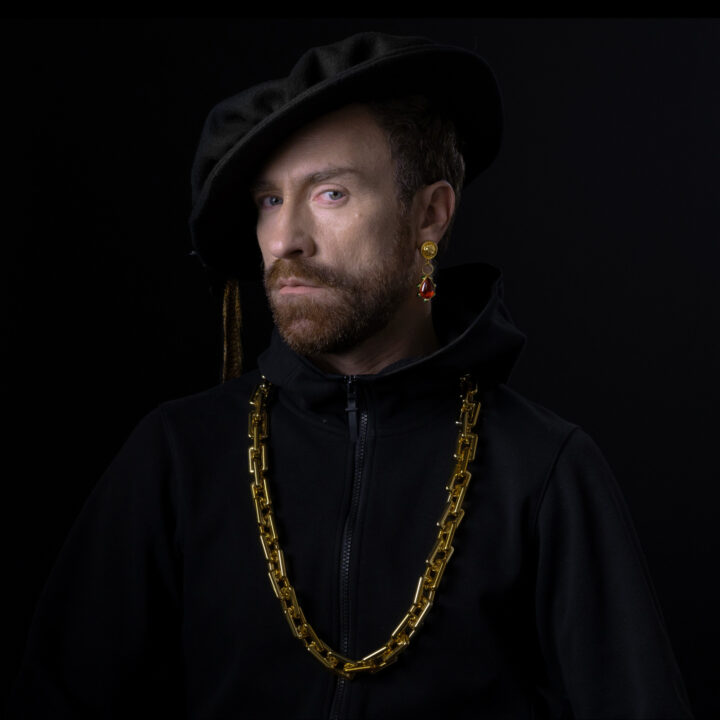
Simon-Pierre Bestion – conception, staging, musical direction, arrangements
Cecilia Galli – costumes
Sebian Falk – lighting design
Alice Le Moigne – sound management
Florian Delattre – technical management
Amélie Raison – soprano
Axelle Verner – alto
Marco van Baaren – tenor
René Ramos-Premier – baritone
Maxime Saïu – bass
Anne-Lise Heimburger – actor
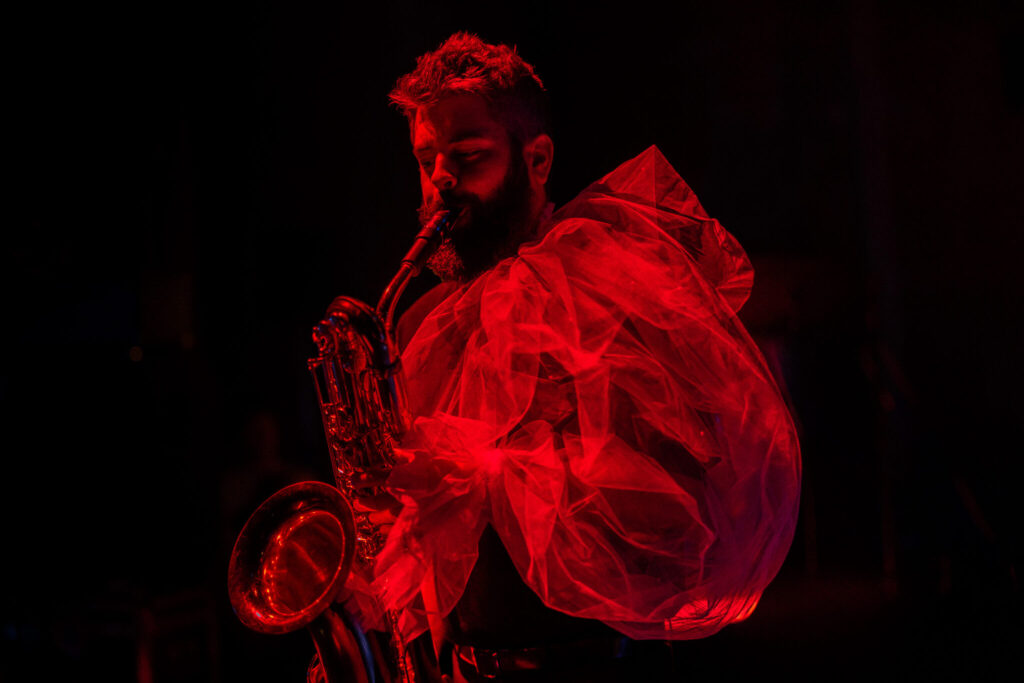
Quentin Darricau – saxophones, duduk
Pierre Carbonneaux – saxophones
Anaïs Ramage – flutes, dulcian
Abel Rohrbach – sackbut, bugle
Alexis Lahens – sackbut
Julie Dessaint – viola da gamba
Alice Trocellier – viola da gamba
Adrien Alix – electric bass, violone
Bruno Helstroffer – electric guitar
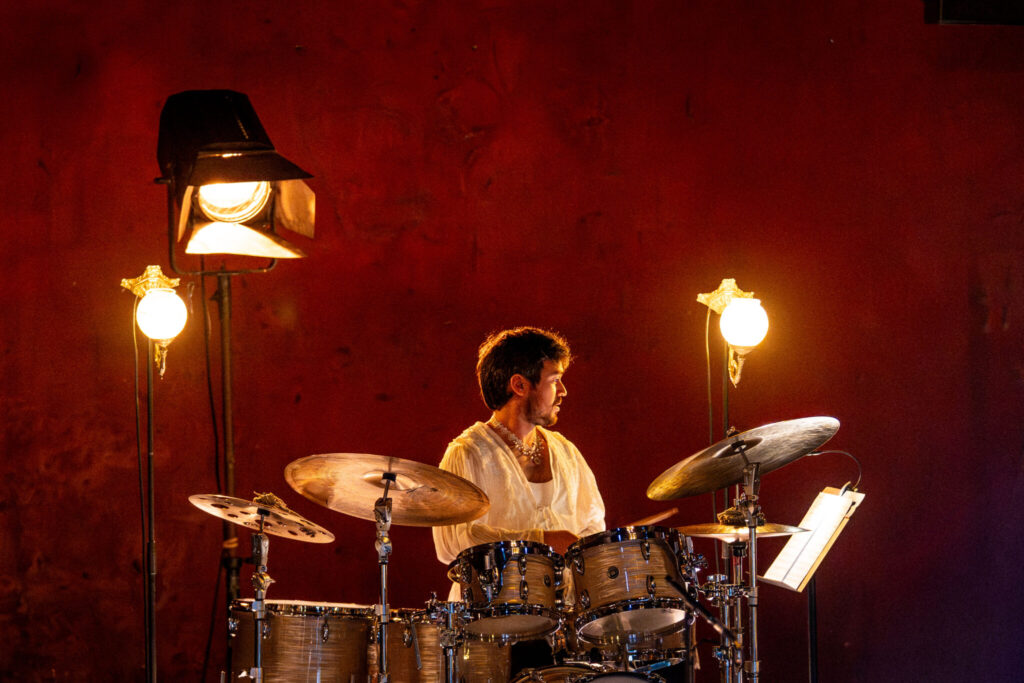
NN – drums
Simon-Pierre Bestion – positive organ, synthesizer


“Born in Mons in 1532, Orlando was quickly noticed by his teachers for his remarkable vocal talent. This early fame soon led the young musician into his first adventures: legend tells of several kidnapping attempts intended to sell him to wealthy princes eager to enrich their musical ensembles. Although he managed to escape several times, the barely twelve-year-old singer was eventually sold to a passing prince.

Following his new patron to Milan, the young musician travelled widely throughout his adolescence, discovering along the way the riches of the Italian Renaissance. When his voice broke and he lost the quality that had made him so valuable, he was released by his master. At the age of twenty-one he became maestro di cappella at the Basilica of St John Lateran in Rome.

Behind the façade of his musical career, Orlando also lived a second life as a diplomat and spy in the service of Emperor Charles V, then the most powerful ruler in Europe. He thus entered the complex and often violent world of politics and court intrigue. Four years after arriving in Rome, he was forced to leave the papal city and seek new employment. After a period of adventurous travels between England and France, he eventually settled in Antwerp — one of Europe’s wealthiest cities and a major centre of music publishing. It was there that he published his first collection of compositions, achieving immediate success.

How could one resist such a beginning?

The title of this concert-performance, Orlando, is closely linked to my desire to work with Virginia Woolf’s biographical novel of the same name as our composer. As the musical program gradually took shape, many parallels emerged as sources of inspiration. The dramaturgy — and even the architecture of the album before it became a concert — was conceived in the manner of a biography, a form that Virginia Woolf herself playfully embraced in her novel.

Both of our protagonists were born in the sixteenth century and share a special connection with Elizabethan England. Orlando di Lasso himself was a man of many facets: courtier, artist, and adventurer, capable of dazzling through both talent and wit; a polyglot and cultivated figure, an elegant diplomat. His personality borders on extravagance, particularly in his correspondence, where we discover a provocative, bawdy, iconoclastic, and sometimes insolent character in his dealings with patrons and benefactors.

Yet behind these traits lies a more anxious nature, prone to melancholy and profound existential crises. This contrast between a melancholic and a more sulphurous temperament strongly recalls the fictional character created by Virginia Woolf. The similarities in character and life experience are so striking that one might even wonder whether the author herself was aware of the historical composer.

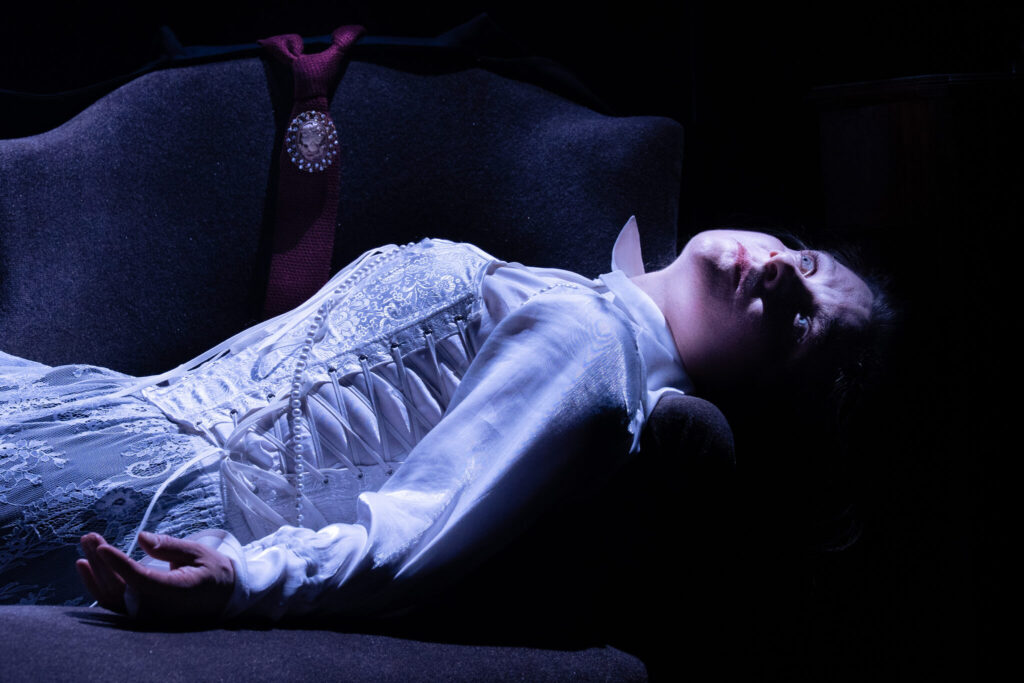
Virginia Woolf’s masterpiece is particularly remarkable for its bold — and strikingly modern — decision to have her hero change sex. In the novel, Orlando, then in their early thirties and serving as ambassador in Constantinople, awakens after seven days of sleep as a woman. From that moment onward, she becomes acutely aware of both the privileges and the constraints associated with her new condition.

This traversal of historical eras fascinated me and ultimately convinced me of the parallel with my musical work. At the beginning of the story we are at the end of the sixteenth century, with an Orlando who is seventeen years old. At the end of the novel, in 1928, Orlando — who appears not to age — remains in their thirties.

This joyful journey across centuries, into which the author draws us, feels both entirely natural and completely limitless. This freedom from the constraints of strict realism deeply informed my musical work, which is at times deliberately anachronistic in both its arrangements and its interpretation.

By drawing inspiration from a wide range of musical colours and styles, including much more recent ones — funk, soul, jazz — I aim to create a stimulating mirror between the fictional character and our composer, ultimately revealing a body of music that remains too little known and too rarely heard in its full richness.”

Simon-Pierre Bestion


SPONSORS:

Production : Compagnie la Tempête
Co-production : CODES Festival

With the support of the MC2: Maison de la Culture de Grenoble – Scène nationale

La Caisse des Dépôts and the Société Générale Foundation are La Tempête’s main sponsors.

The company also receives the support of the French Ministry of Culture, the Société Générale Foundation, the Auvergne Rhône-Alpes region, the Centre National de la Musique (CNM), the Orange Foundation, as well as the Adami, Spedidam and SACEM.

The company was awarded the Liliane Bettencourt Prize for Choral Singing by the Bettencourt Schueller Foundation.

La Tempête is associated to la Scène Nationale d’Orléans and MC2 : Maison de la Culture de Grenoble and is guest artist at the Théâtre Impérial – Opéra de Compiègne.

It records and is distributed by the Alpha Classics label.

The ensemble is a member of the FEVIS (french federation of specialized instrumental and vocal ensembles), and a member of the Scène Ensemble union.