18. CODES Festival of Traditional and Avant-Garde Music
27–31 May 2026

HATIS NOIT (JAP)

30 May 2026 / Saturday / 21:00

Radio Lublin Concert Studio, Obrońców Pokoju 2 Street

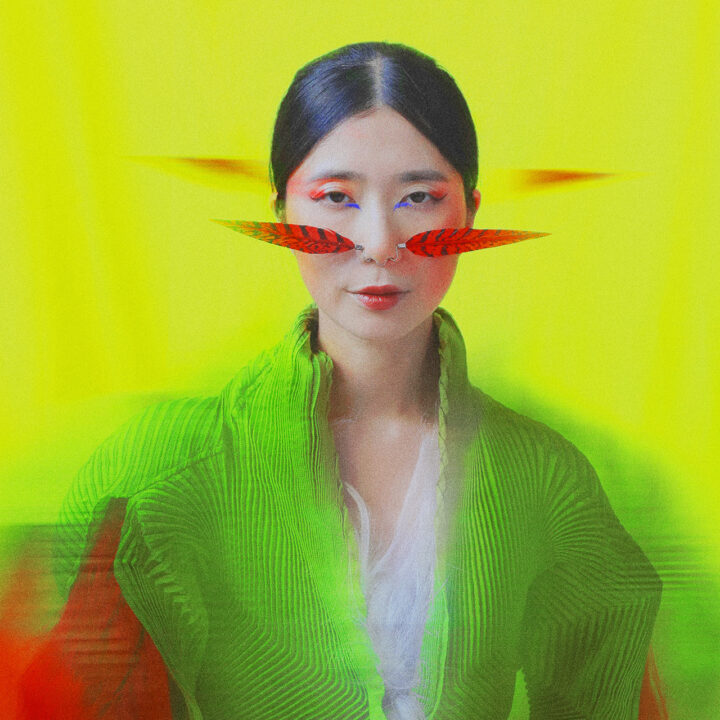
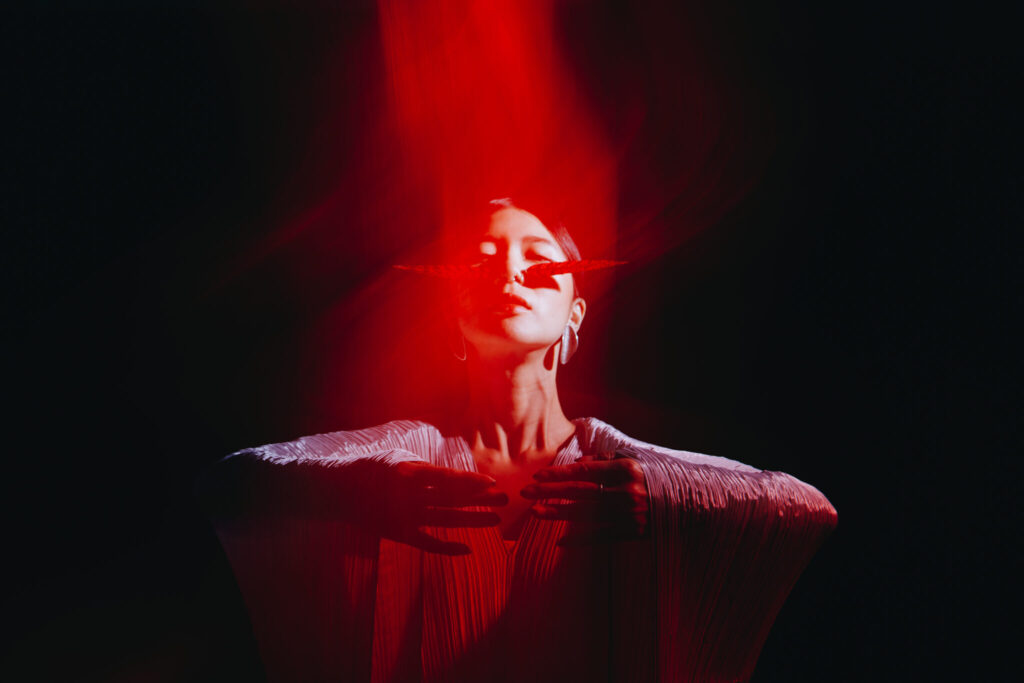
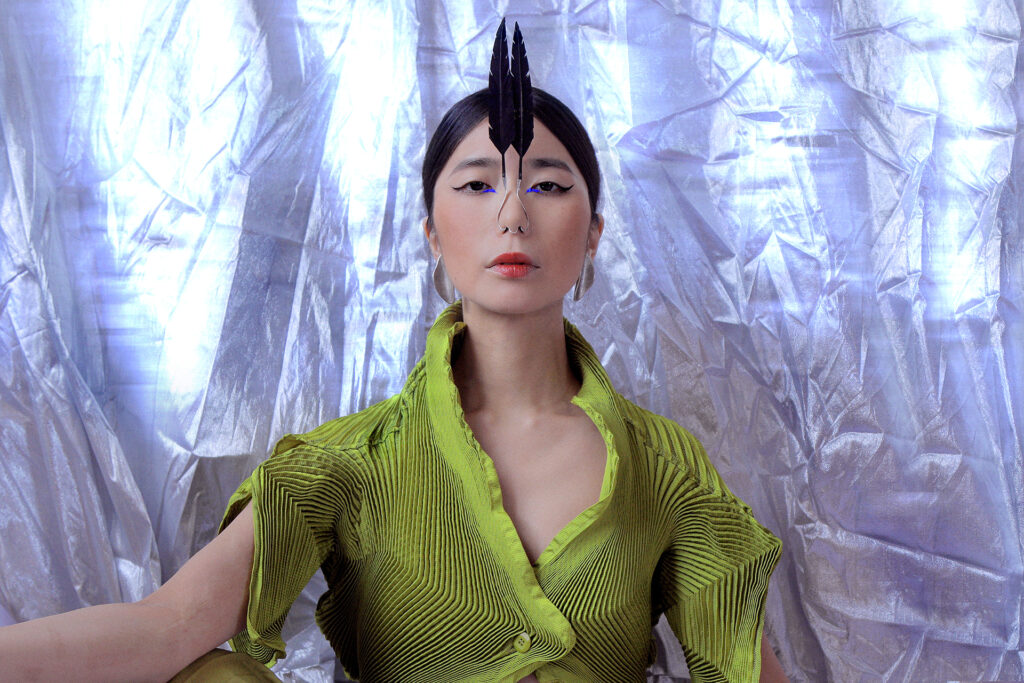
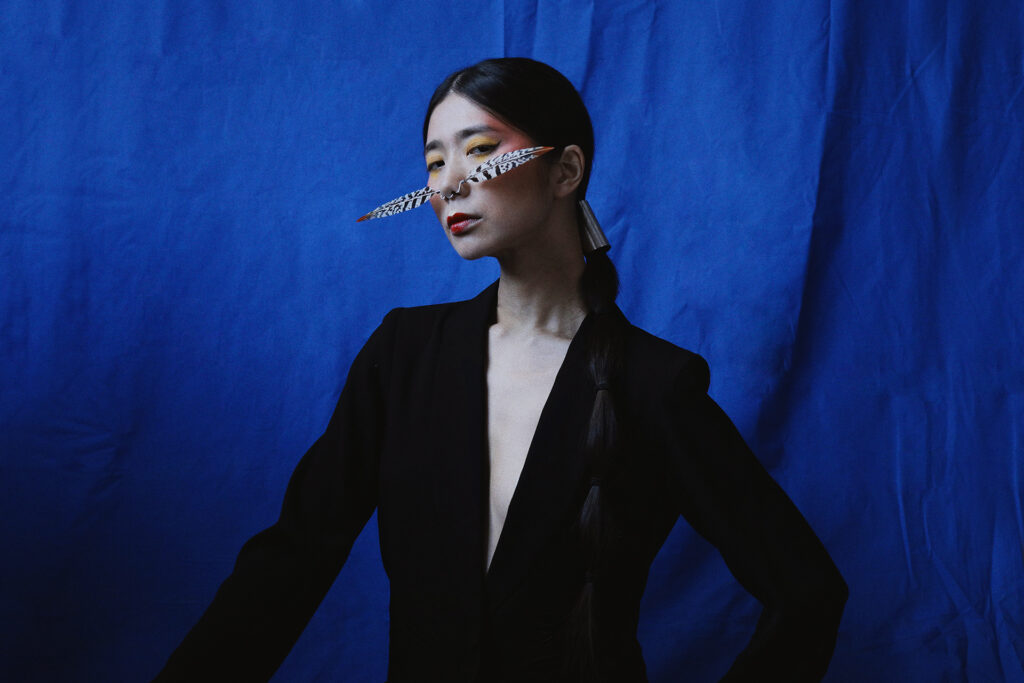
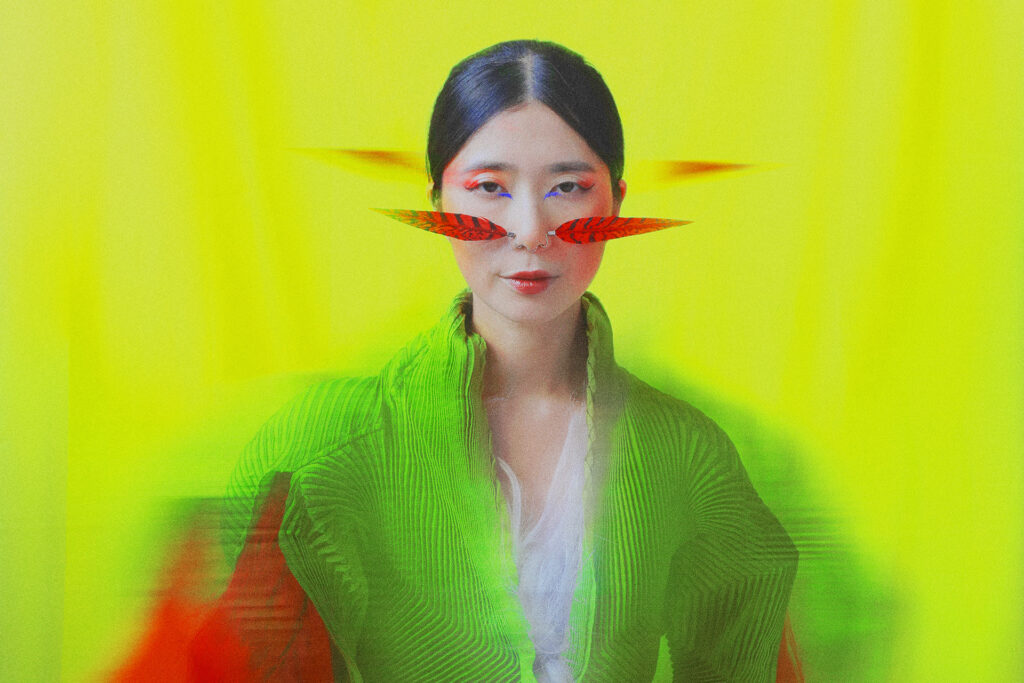
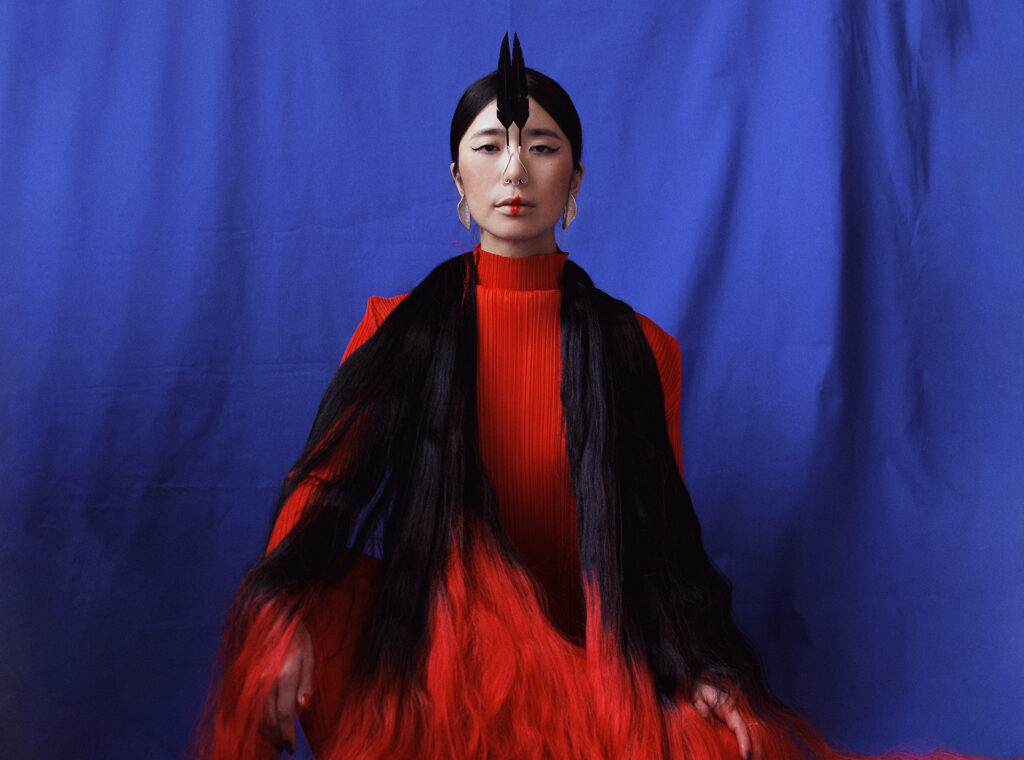
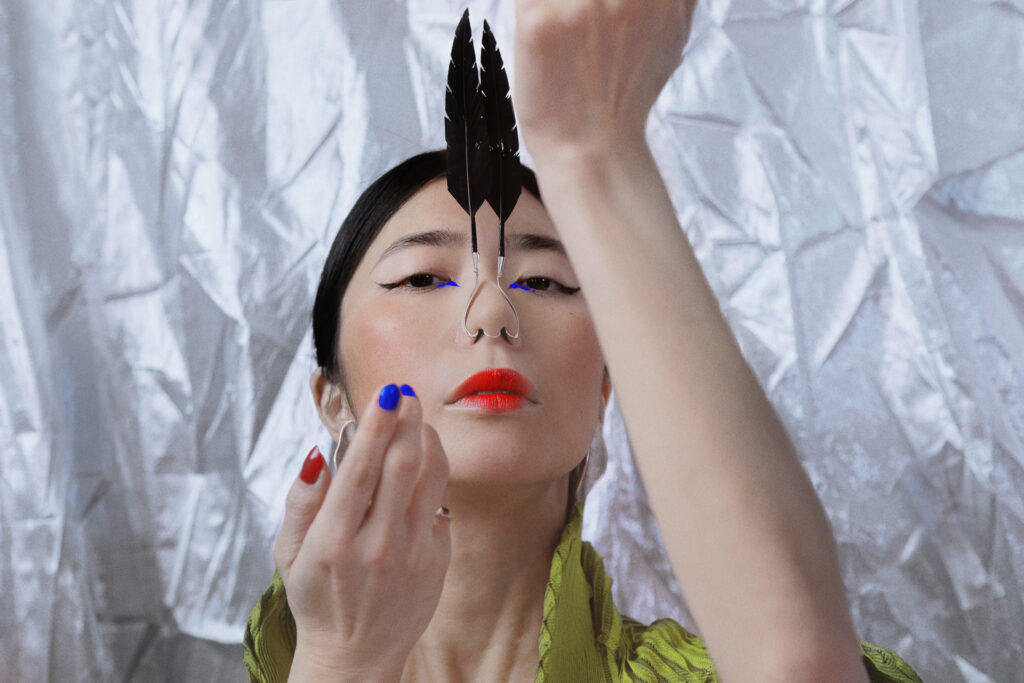
Hatis Noit is a Japanese vocalist originally from the remote region of Shiretoko in Hokkaido, now based in London. She creates extraordinary musical worlds using only the human voice. Her work blends elements of gagaku—the classical court music of Japan—with folk traditions, operatic styles, Bulgarian singing, Gregorian chant, and avant-garde practices, forming hypnotic, almost ritualistic compositions.

Her musical journey began at the age of sixteen during a trip to Nepal, where she heard a Buddhist nun singing in a temple in Lumbini. The experience revealed to her the profound power of the human voice as a primal and instinctive instrument, capable of conveying emotions that cannot be expressed through words. From that moment on, singing became her calling.

The name Hatis Noit itself comes from Japanese folklore and refers to the stem of the lotus flower. The lotus symbolizes the world of the living, while its root represents the spiritual realm. Hatis Noit connects these two worlds, creating music that can move listeners and carry emotions, memories, and the subconscious “to the other side.”

On her debut album Aura, Hatis Noit created multi-layered compositions using only her voice—building choral structures, rhythms, and textures that evoke the sound of entire orchestras. The album’s title was inspired by Walter Benjamin’s concept of the “aura,” describing the unique presence of a work of art in a specific moment and space.

Hatis Noit’s concerts are an intense, almost spiritual experience. She builds her music live, layer by layer, guiding listeners through sonic landscapes filled with emotion, memory, and meditative energy. Her performances have captivated audiences at festivals and venues across Europe, and she has collaborated with the London Contemporary Orchestra as well as artists from the experimental music scene.

“Words cannot describe everything we feel. How can we precisely verbalize the sensations we experience as newborns when our mother holds us in her arms and we feel her skin against our cheek? We clearly feel her warmth, her moisture, a kind of love from her—but it is difficult to put that perfectly into words. Music is a language that can convey that sensation, that feeling, that memory of love.” – Hatis Noit